Long-Term Dental Implant Problems: Causes, Warning Signs, and Next Steps
An implant that has worked comfortably for years can still develop a problem. Long-term complications include inflammation around the implant, loss of supporting bone, a loose screw, a damaged crown or bridge, and changes in the bite. These are different diagnoses—not interchangeable meanings of “implant failure.”
At Fusion Dental Implants, the first question is which part is causing the problem? A loose crown does not automatically mean the implant in the bone has failed. Conversely, an implant can lose supporting bone before it becomes painful. An examination is needed to distinguish the two.
On this page
Separate the implant from the restoration
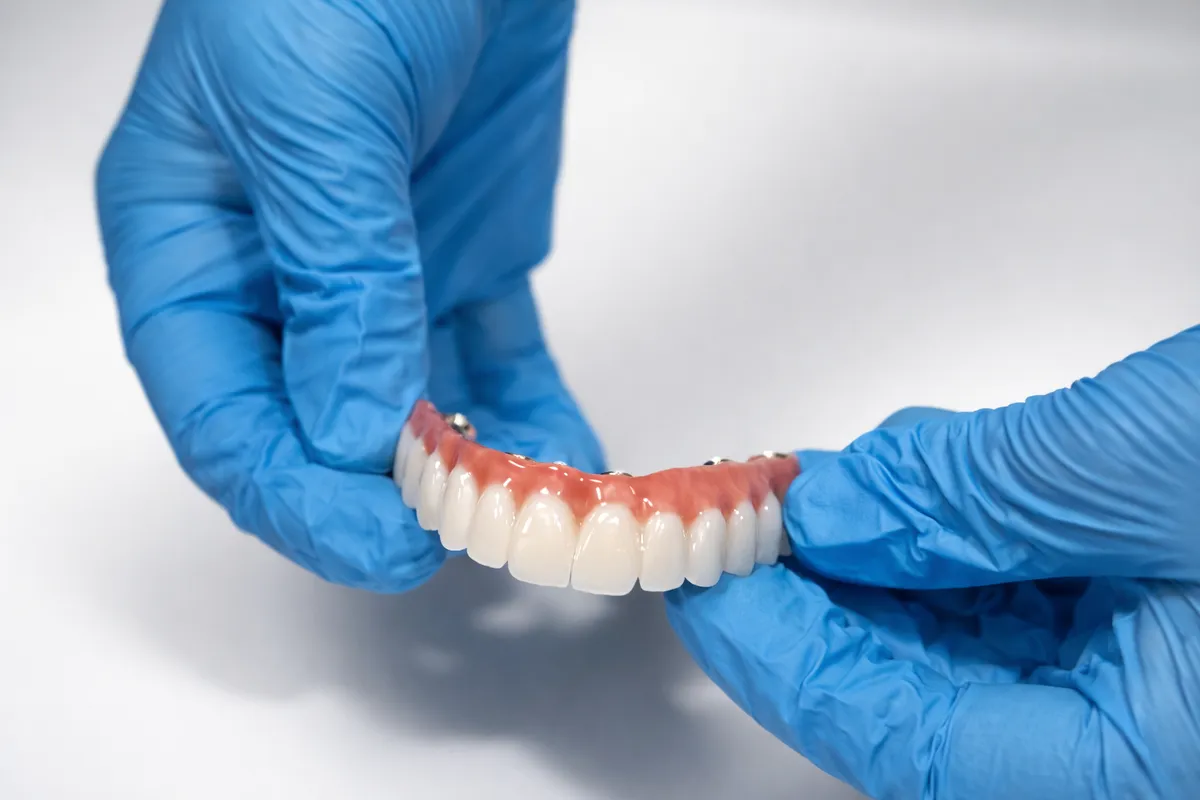
The implant body sits in the bone. An abutment or other connector supports the visible crown, bridge, or denture. Different parts can need attention at different times.
| What may be happening | What a patient might notice | Why examination matters |
|---|---|---|
| Loose connector or screw | Clicking or movement in the replacement teeth | The restoration may be moving while the implant remains stable |
| Chipped or worn restoration | A rough edge, altered bite, or food catching | Repair depends on the material and extent of damage |
| Inflamed tissue around an implant | Bleeding, tenderness, or swelling | The clinician must determine whether bone support is also affected |
| Loss of implant support | Movement, discomfort, or an imaging change | The implant may need treatment or removal; home care alone cannot establish the diagnosis |
Do not repeatedly wiggle the restoration to test it, glue it back, or try to tighten a screw. Avoid loading the affected area and contact your dental team. The FDA recommends reporting a loose or painful implant promptly.
Inflammation and progressive bone loss
Plaque can accumulate where a restoration meets the gums or where cleaning access is difficult. Inflammation confined to the soft tissue is different from peri-implantitis, which involves inflammation and loss of supporting bone. A clinician evaluates the tissues, cleaning access, and imaging rather than diagnosing from a photograph alone.
Risk is influenced by several factors: a history of gum disease, tobacco use, health conditions that affect healing, the restoration's design, and maintenance. Complications are not proof that a patient did something wrong. Sometimes a person follows instructions but needs a different cleaning tool, more accessible contours, or additional clinical treatment.
Read our peri-implantitis treatment guide for the difference between daily cleaning and treatment of diagnosed disease.
Wear, grinding, and a changing bite
Replacement teeth and their connectors experience repeated chewing forces. Grinding, a newly missing tooth elsewhere, or changes in the opposing teeth can alter those forces. A damaged restoration may be repairable, but recurring breakage calls for a review of the underlying cause.
If your teeth suddenly meet differently, mention it even when there is no pain. The team may examine the bite, screw connections, material wear, and any prescribed night guard. Do not use an over-the-counter device as a substitute for assessing a new bite problem.
Symptoms that should not wait
Contact the treating dental team promptly for:
- New movement or clicking in an implant restoration.
- Persistent bleeding, swelling, pus, or an unpleasant taste.
- Pain when chewing, or pain that is worsening rather than settling.
- New or persistent numbness or tingling.
- A fracture, exposed connector, or change in the way the teeth close.
Seek emergency medical care for trouble breathing or swallowing, rapidly spreading facial swelling, or uncontrolled bleeding. A website message or routine booking form is not suitable for an emergency.
Not every symptom means the implant must be removed. Early assessment gives the clinician more information and may provide more treatment options, but saving every implant is not possible.
What an evaluation can establish
Bring the implant placement date, previous X-rays if available, the implant brand or records, a medication list, and a description of when symptoms started. Tell the team whether the change followed an injury, dental work, or a period of difficulty cleaning.
Assessment may include tissue measurements, comparison with earlier imaging, testing restoration versus implant mobility, and reviewing bite forces. Treatment could involve professional cleaning, restoration repair, management of inflammation, surgery, or replacement. The plan depends on the diagnosis—not simply the age of the implant.
Our guide to whether a failing implant can be saved explains why repair and replacement decisions vary.
Reducing future risk
Brush and clean around the restoration using the tools demonstrated for your design. Attend follow-up appointments on the schedule recommended for your risk factors. Tell the team about medication changes, tobacco use, and difficulties reaching beneath the replacement teeth.
Professional care checks more than cleanliness: tissue health, bite, components, and imaging when indicated all matter. See our implant maintenance guide for practical routines.
Questions patients ask
Can an implant fail after ten years?
Yes. Problems may develop long after initial healing. Time alone cannot tell you whether the problem involves the implant, surrounding tissue, or replacement teeth.
Is bleeding around an old implant normal?
Repeated bleeding deserves assessment. It can reflect inflammation or another local issue; it should not be dismissed as the implant getting older.
Can a loose implant crown be repaired without surgery?
Sometimes a connector or restoration can be treated without replacing the implant. The clinician must first establish what is moving and whether the supporting tissues are healthy.
Does no pain mean the implant is healthy?
No. Some tissue and bone changes do not cause obvious pain initially. Routine reviews remain important even when chewing feels comfortable.
Discuss an older implant with Fusion
Fusion sees patients at our Roseville and El Dorado Hills centers. Contact our team with your concerns and available records so we can discuss an appropriate evaluation.
Ready to Transform Your Smile?
Schedule your free consultation today and discover how dental implants can change your life.