
All-on-4 Dental Implants: How They Work and What Permanent Means
Understanding All-on-4 treatment
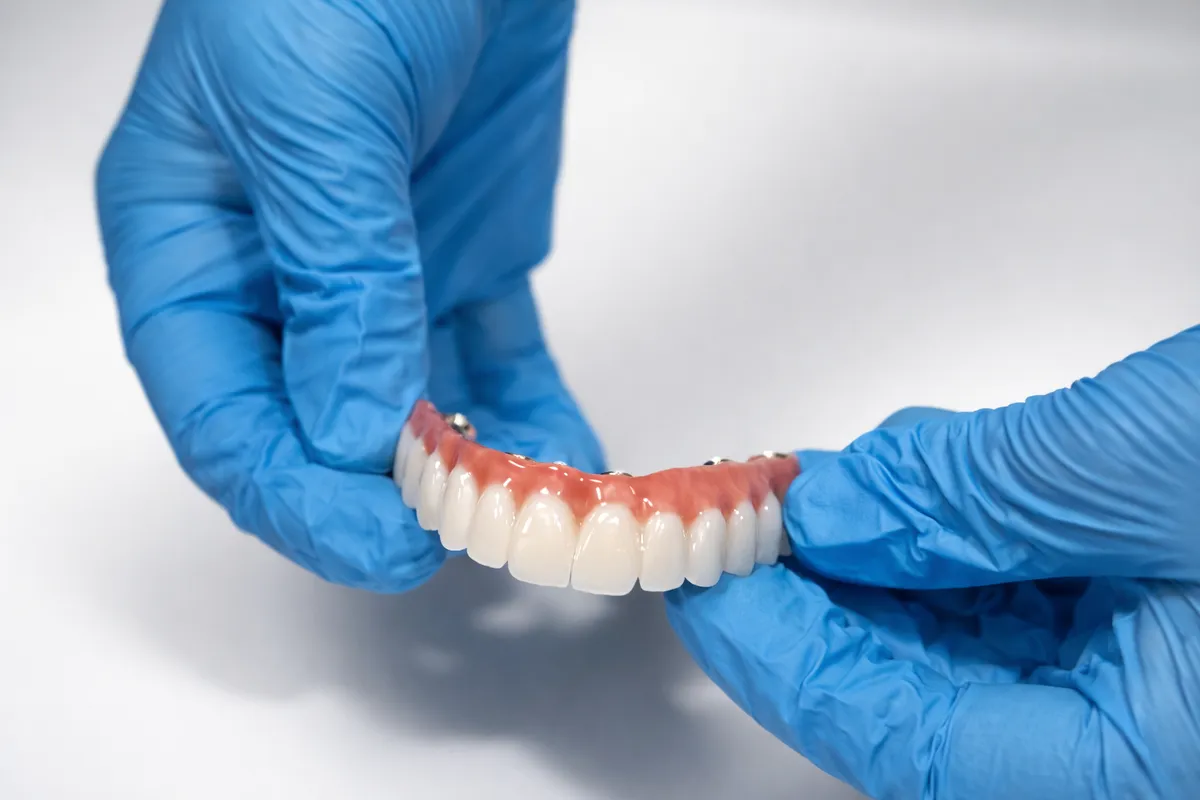
All-on-4 is a full-arch dental implant technique designed to restore an entire upper or lower arch using four implants.
It is not a shortcut. It is a biomechanical strategy.
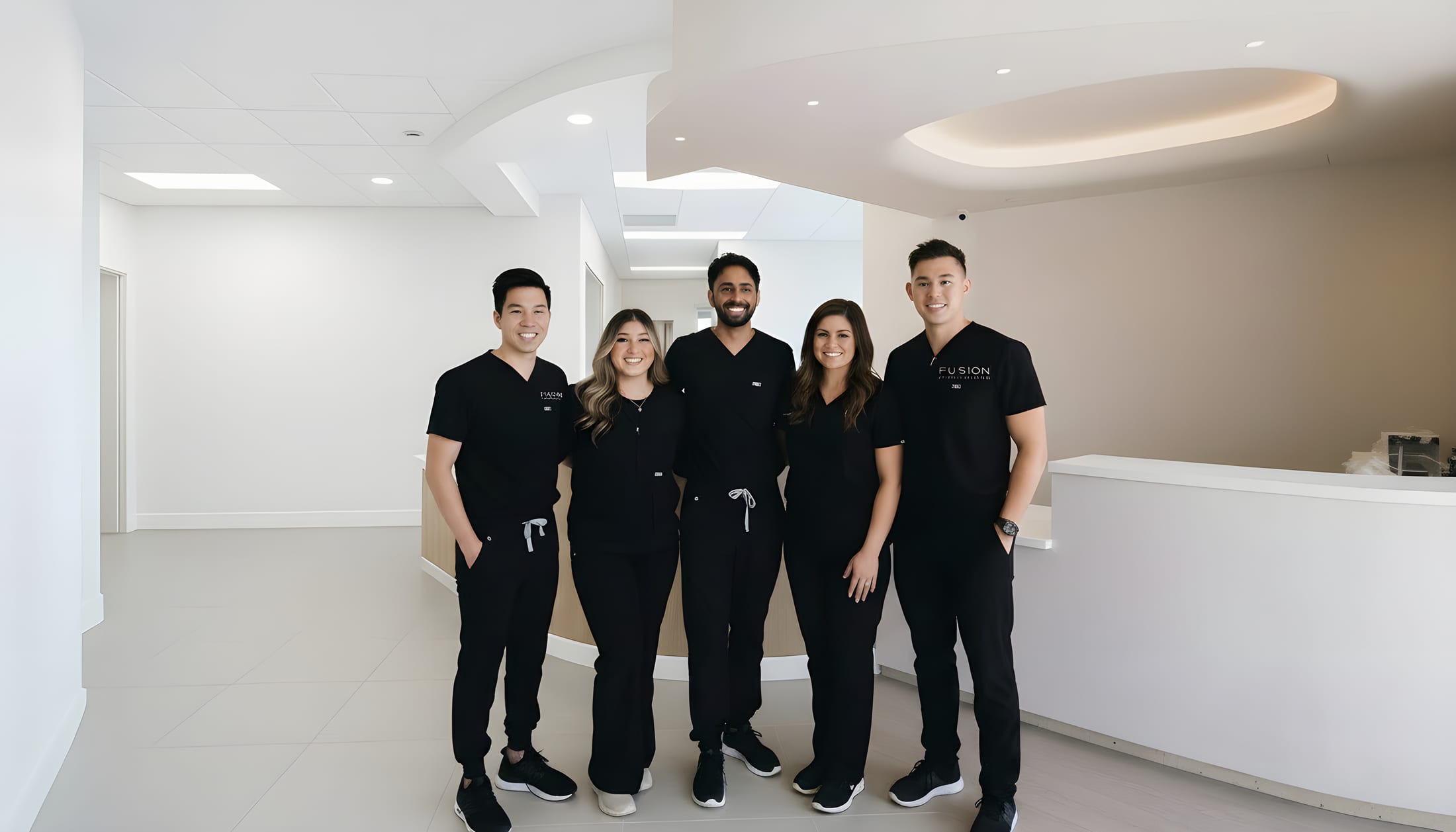
At Fusion Dental Implants, our surgeons have extensive experience with All-on-4 procedures, serving patients throughout Sacramento, Roseville, and Northern California.
The Core Concept
All-on-4 uses:
- Two vertical implants in the front
- Two angled implants in the back
The posterior implants are angled to:
- Avoid anatomical structures
- Increase bone contact
- Eliminate the need for grafting in many cases
Why Angulation Matters
Angled implants increase the anterior-posterior spread, improving load distribution across the prosthesis.
This allows:
- Fewer implants to support a full arch
- Immediate provisional teeth in some patients
- Reduced surgical complexity in selected cases
Immediate Load vs Traditional Healing
Many All-on-4 cases involve immediate loading, meaning a temporary fixed prosthesis is attached the same day.
Immediate load requires:
- High primary stability
- Controlled bite forces
- Rigid prosthetic splinting
If these conditions are not met, immediate load increases failure risk.
When All-on-4 Is Not Appropriate
All-on-4 is not ideal for patients with:
- Severe bone loss in the front of the jaw
- Extreme bite forces
- Poor bone density
- Untreated systemic conditions
In such cases, additional implants or alternative designs may be safer.
All-on-4 vs Traditional Full-Arch Implants
Traditional full-arch restorations may use:
- 6–8 implants per arch
- Longer healing periods
- Bone grafting
All-on-4 trades redundancy for efficiency. This tradeoff must be deliberate, not automatic.
Long-Term Considerations
Success depends on:
- Prosthetic design
- Hygiene access
- Occlusal management
- Ongoing maintenance
Problems may affect the restoration, connectors, surrounding tissues, or implants themselves. Assessment is needed to identify which part requires treatment.
Is All-on-4 a permanent solution?
All-on-4 is intended as a long-term, fixed replacement for a full arch. “Fixed” means you do not remove the bridge at home like a denture. It does not mean that the restoration cannot wear, that an implant cannot develop disease, or that future treatment will never be needed.
There are three different timelines:
- Initial recovery: the surgical tissues settle after treatment.
- Integration: the implants heal in the bone over a period of months, with restrictions determined by the surgeon.
- Long-term service: the final teeth and supporting components need regular care and may eventually need repair or replacement.
A temporary bridge delivered on surgery day is not the same as the final restoration. It helps an eligible patient function during healing under specific dietary restrictions. If the implants do not have sufficient initial stability, a different temporary plan may be safer. Ask what that alternative would be before surgery.
What might need attention later?
The visible teeth can chip or wear. Connectors may loosen. Gums can become inflamed, and supporting bone can change. A clinician may be able to repair a restoration while retaining healthy implants, but that cannot be determined from its age alone.
No universal replacement date applies to every arch. Material, design, bite forces, health, and cleaning all matter. The FDA notes that complications can occur soon after implant placement or much later.
Questions before committing to a fixed arch
- Which teeth can be maintained, and why is full-arch replacement recommended?
- Will I receive temporary or final teeth first?
- What happens if same-day fixed teeth are not appropriate during surgery?
- Can I demonstrate the cleaning routine before the design is finalized?
- What follow-up and repair costs should I plan for?
- Why are four implants recommended rather than another configuration?
For the everyday differences between fixed and removable teeth, read our permanent dentures comparison. For fees, use the full-arch pricing page and request a written plan; “permanent” should not be used as a substitute for explaining maintenance or future costs.
The Surgeon Factor
Planning the first months after surgery
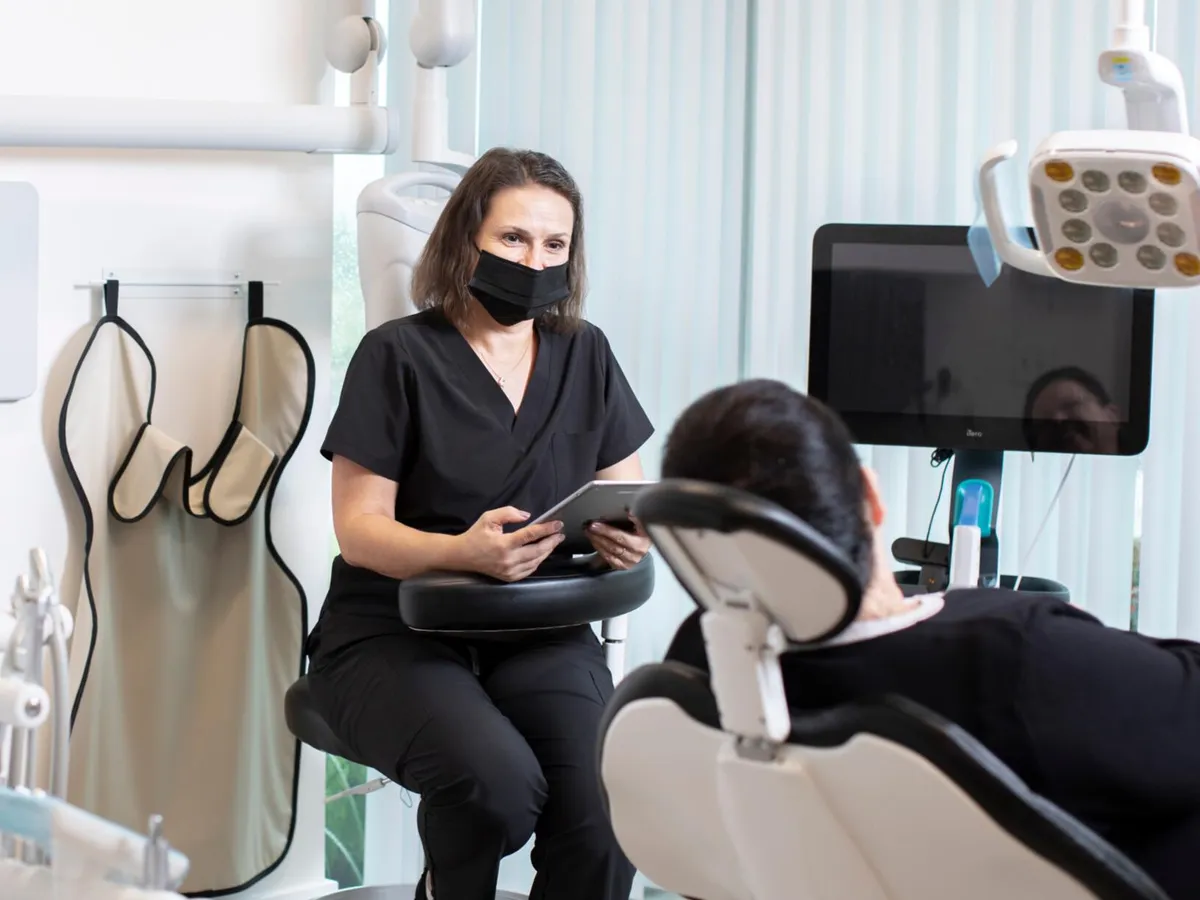
Before you leave the consultation, ask who to contact after hours and which symptoms require urgent assessment. Clarify when you can resume work, exercise, and travel, particularly if your job involves lifting or if you are coming from outside the Sacramento region. Those recommendations depend on the procedure and your health.
Ask for written food and cleaning instructions for the temporary bridge. Schedule the early reviews before arranging a long trip. If a temporary tooth chips or the bridge begins moving, do not try to repair it yourself or assume the final teeth will solve the issue later. The treating team needs to assess the change while the implants are healing.
All-on-4 is technique-sensitive. Outcomes vary dramatically based on:
- Surgical planning
- Implant positioning
- Prosthetic collaboration
The procedure itself is standardized. Execution is not.
All-on-4 Specialists in Sacramento
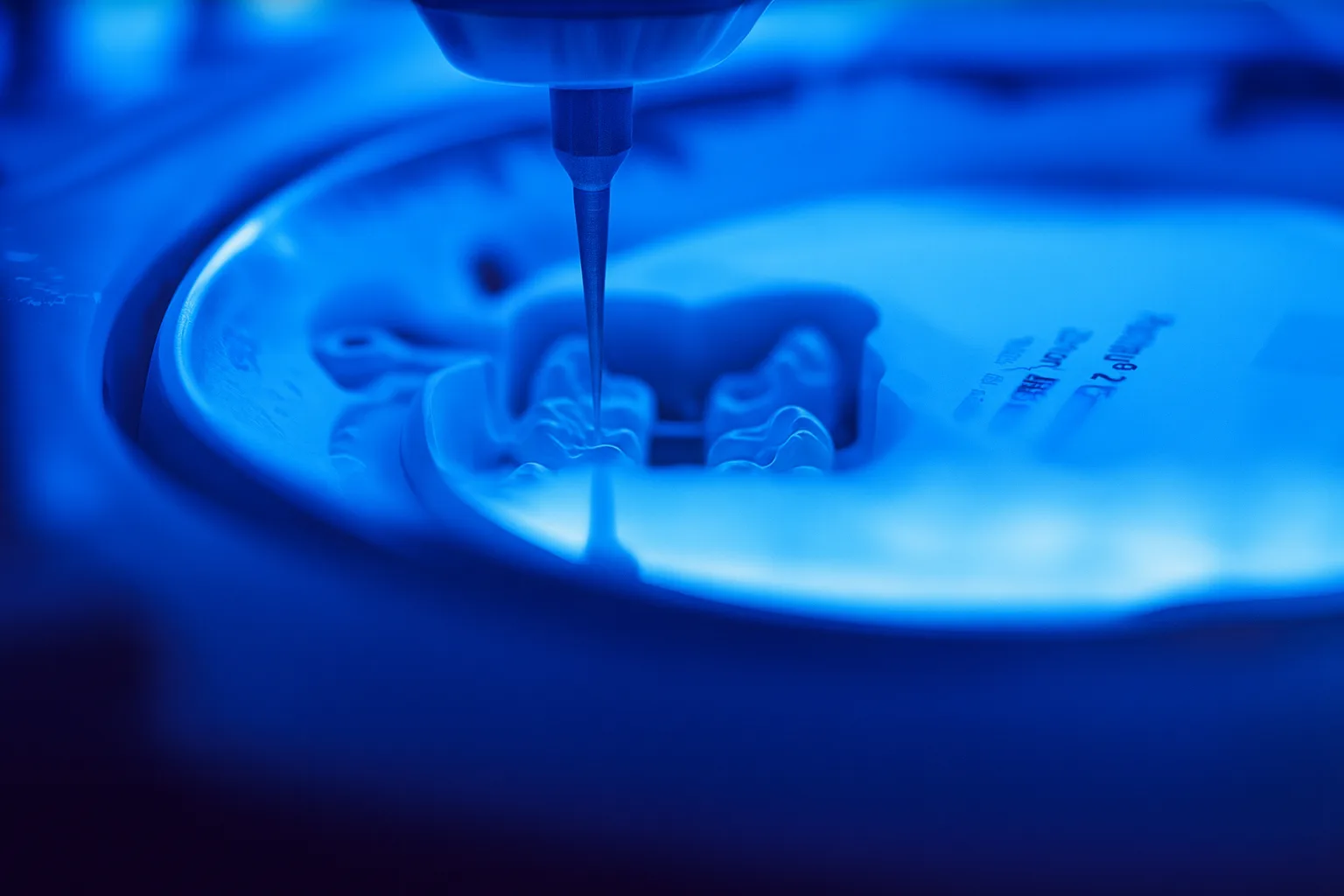
At Fusion Dental Implants, our team includes specialists with advanced training in full-arch implant techniques. We use 3D imaging and digital planning for precise implant placement.
Schedule your free All-on-4 consultation
About Fusion Dental Implants: Full-arch implant specialists serving Roseville, Sacramento, and the Bay Area.
Our physical centers are in Roseville and El Dorado Hills. Patients traveling from other communities should plan for follow-up visits as well as surgery.
Ready to Transform Your Smile?
Schedule your free consultation today and discover how dental implants can change your life.